2026-05-10
Israeli Occupation Forces Uproot 35 Fruit-Bearing Olive Trees in Marda Village, Northeast of Salfit City
Violation: Uprooting of 35 olive trees.
Location: Marda Village / Salfit Governorate – Al-Sha’ab and Western Karm Areas.
Date : 10/05/2026.
Perpetrator: Israeli Occupation Forces.
Victim: Farmer Nizam Afif Hafash and his family (3 members).
Details :
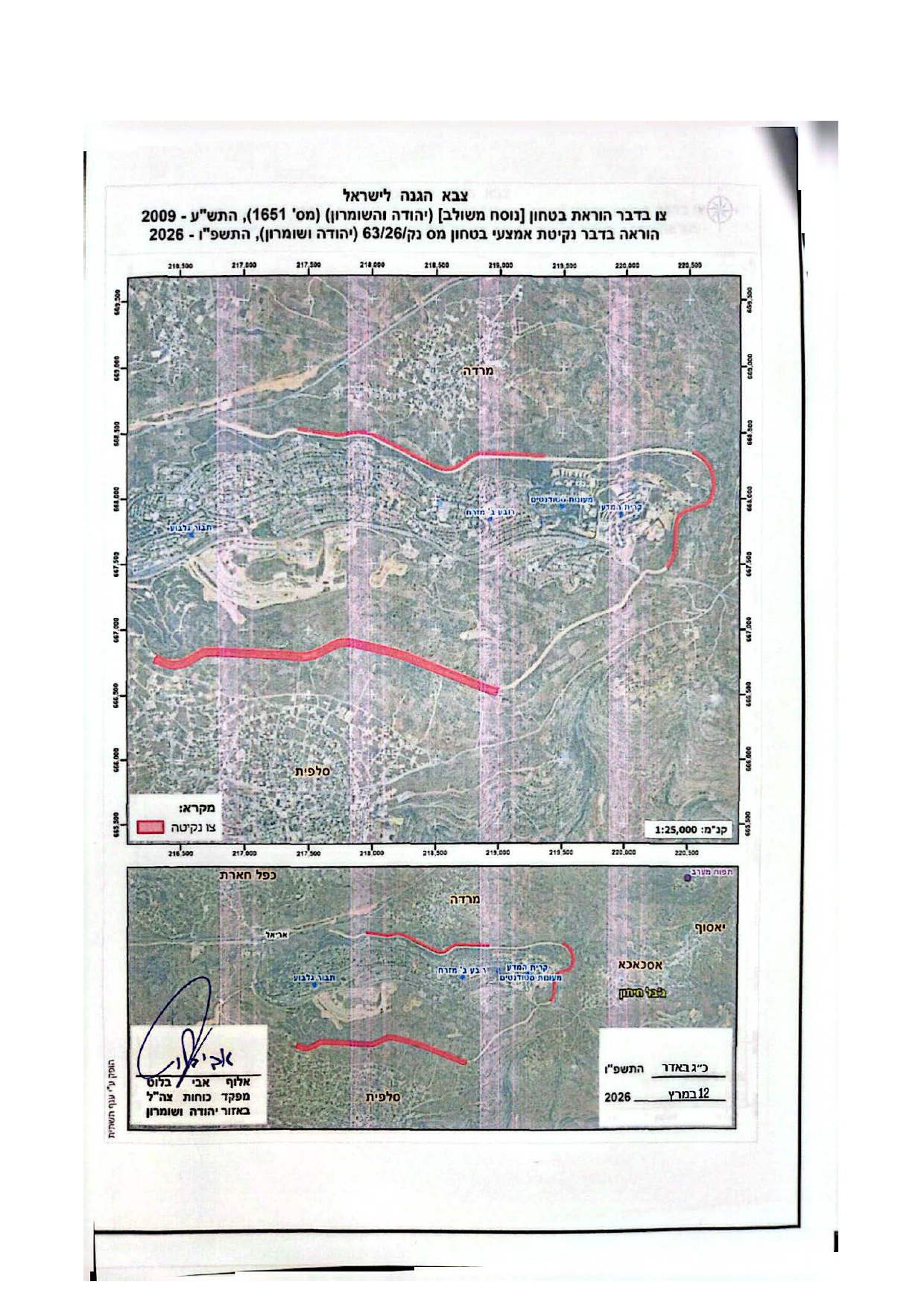
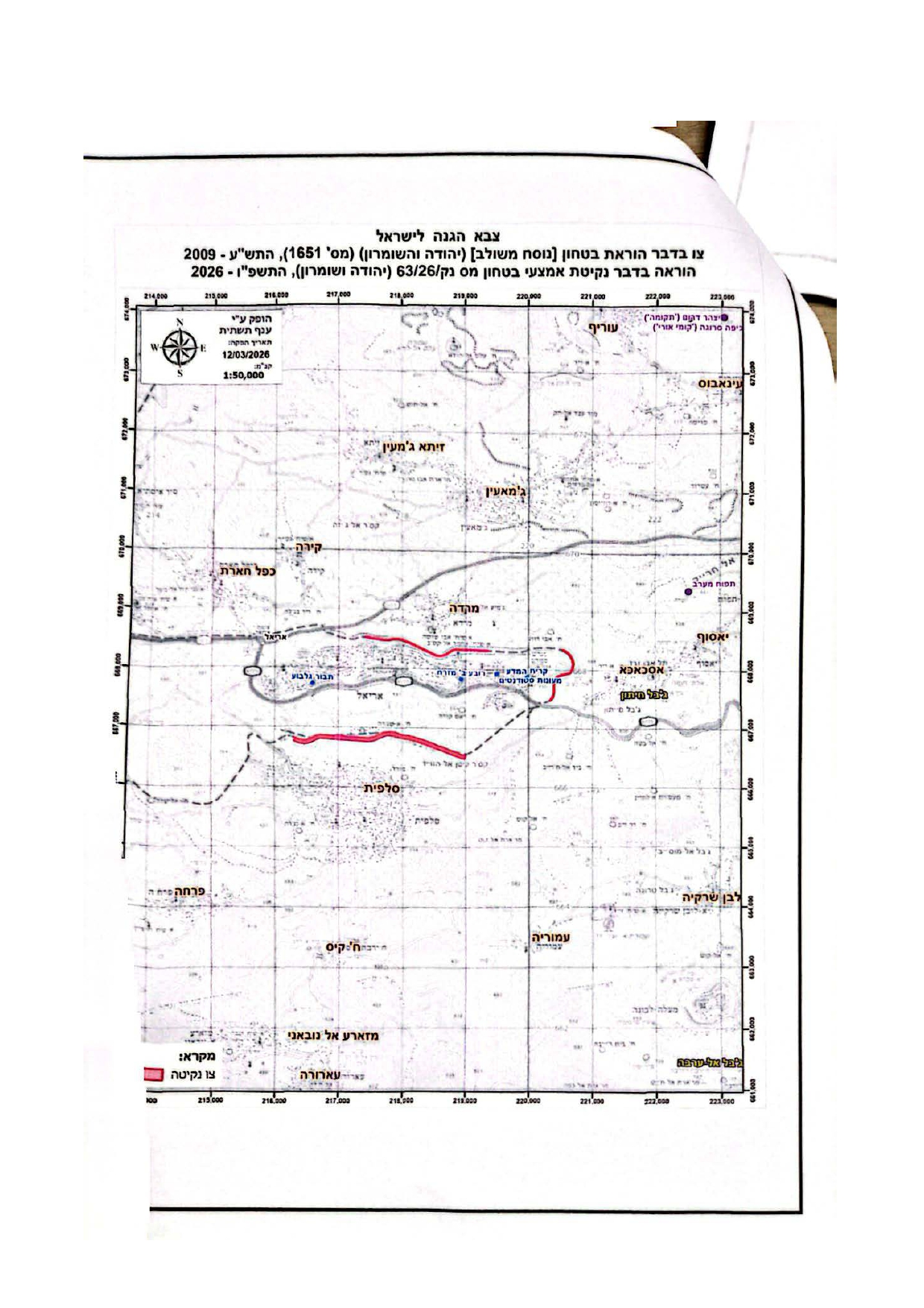
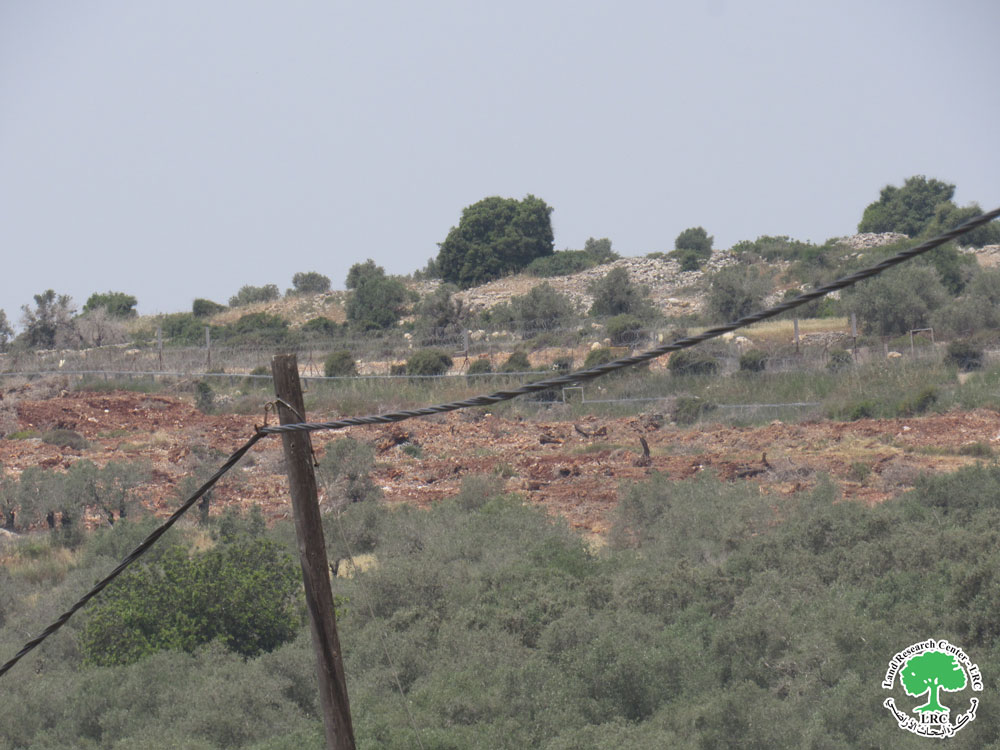
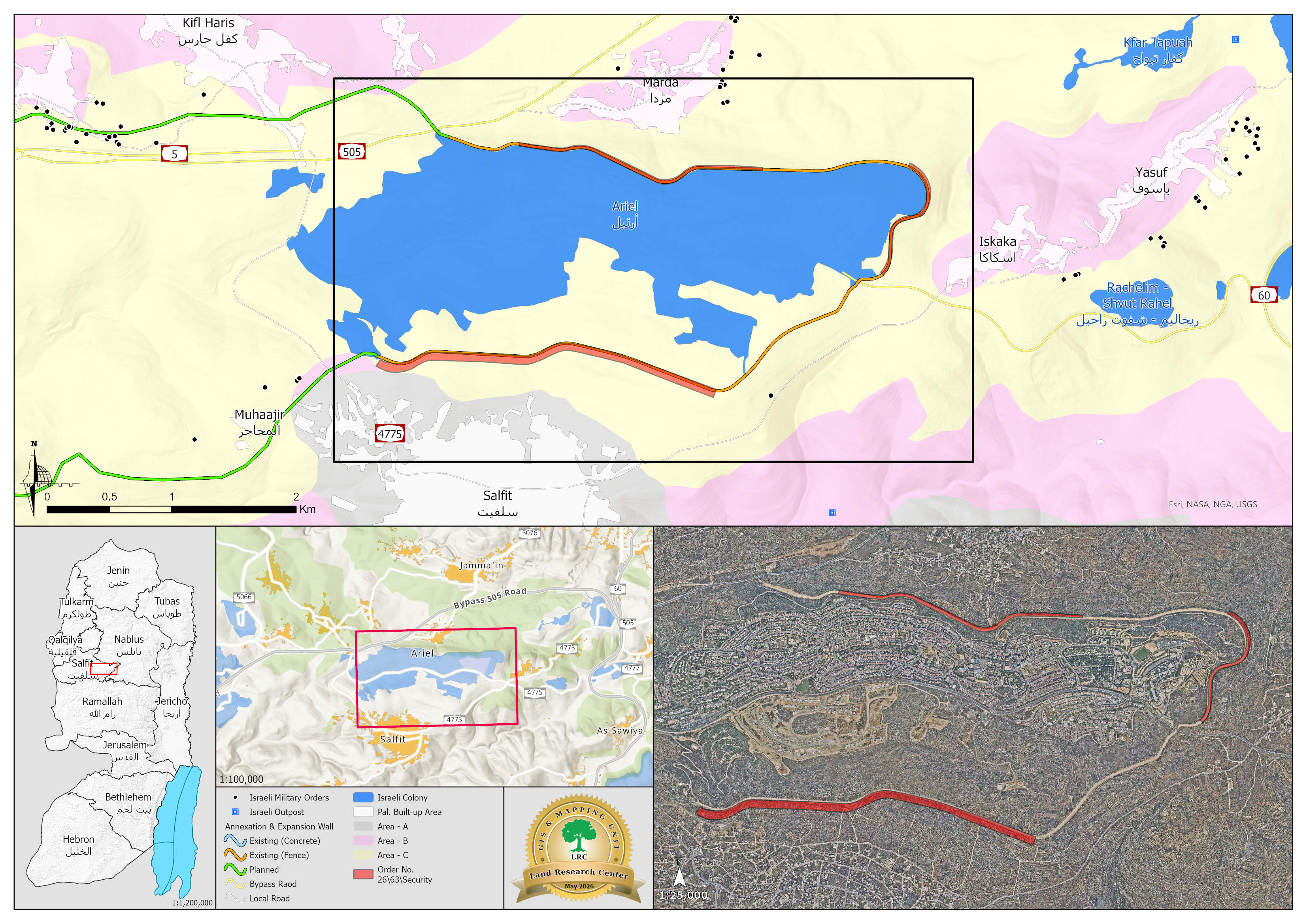
On the morning of Sunday, May 10, 2026, Israeli occupation forces carried out extensive bulldozing activities in the area adjacent to the Separation Wall, southeast of Marda village in Salfit Governorate. The clearing operations were concentrated in the Al-Sha’ab and Western Karm areas of the village lands, near the Separation Wall surrounding the “Ariel” settlement.
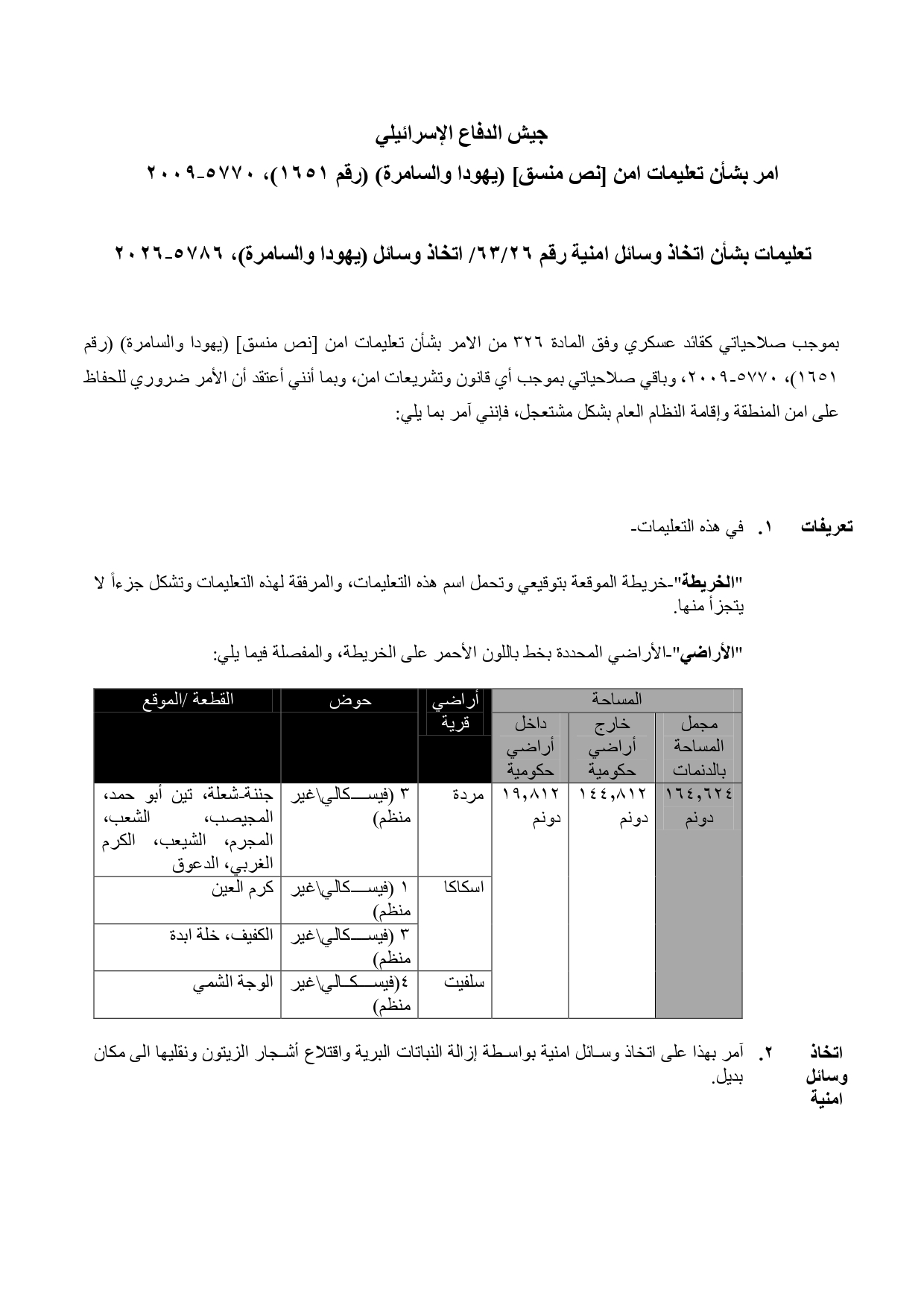
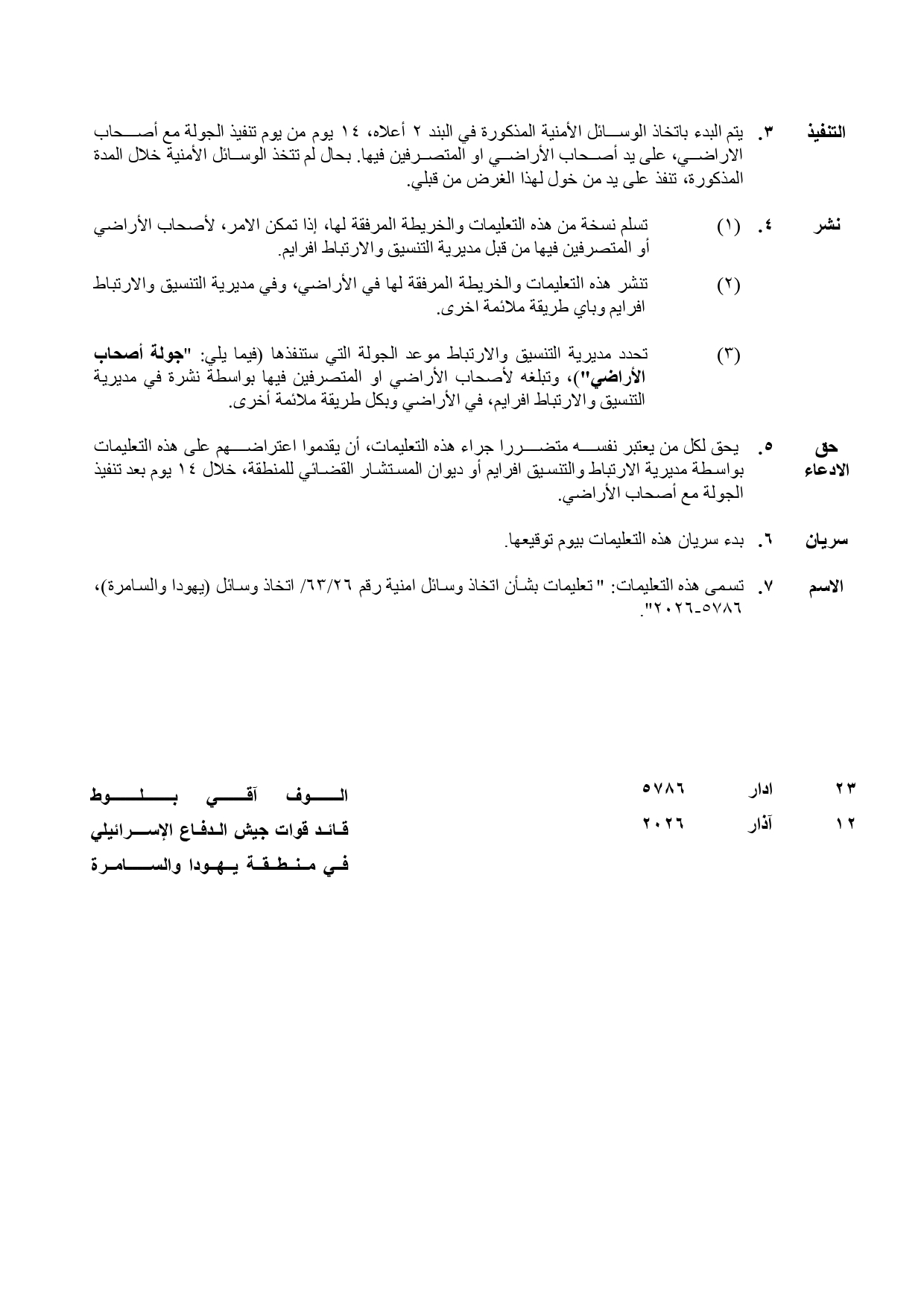
The bulldozing aimed to uproot trees and destroy agricultural property, based on the Israeli military order issued on 02/03/2026, titled “Instructions on Security Measures” No. (26/63), issued by the Israeli military command.
Field data indicate that the bulldozing focused on lands adjacent to the Separation Wall, where approximately 35 aged olive trees, estimated to be 50 years old and belonging to farmer Nizam Afif Hafash, were uprooted and destroyed.
According to the affected farmer, Nizam Afif Hafash, who spoke to the Land Research Center:
"I own a farmland in the Western Karm area of Marda village, cultivated with fruit-bearing olive trees over an area of approximately 6 dunums. For nearly three years, I have faced significant difficulties accessing and tending the land due to strict Israeli measures and continuous practices targeting farmers in the area, including restrictions on accessing farmland under the pretext of security concerns, in addition to vandalism and attacks on nearby agricultural lands."
The farmer further explained that in March 2026, he received a military notice ordering the removal of the trees, claiming their proximity to the Separation Wall and the barrier surrounding “Ariel” settlement as justification. However, according to the land’s slope and location, the trees were situated below the wall’s path and posed no real security threat. Hafash contacted the Wall and Settlement Resistance Authority and the Marda Village Council in an attempt to halt the implementation of the order. Nevertheless, the occupation authorities proceeded with the uprooting.
The farmer highlighted the psychological and economic impact of the uprooting, noting that the land had been inherited through generations and formed a core part of the family’s identity and connection to the land. The uprooted trees previously produced about 15 jars of olive oil annually, representing a key source of income and livelihood. This loss directly translated into economic damage and emotional distress due to the ongoing Israeli violations.
Previous Attacks:
Field research conducted by the Land Research Center in April 2026 documented that Israeli occupation authorities had uprooted and bulldozed over 770 olive trees in Marda village lands, mostly along the bypass Road No. 505, which cuts through village lands. These actions form part of Israeli plans to expand and develop the bypass road at the expense of the village’s agricultural lands.
These measures have had serious negative effects on the economic and living conditions of the residents, particularly given that many families rely on agriculture and olive trees as primary sources of income and resilience. Marda village’s geographical isolation, surrounded by settlements, outposts, and bypass roads, has further reduced agricultural land and restricted farmers’ access to their fields.
Olive trees represent a crucial element of the village’s agricultural identity and historical connection to the land. Continuous Israeli bulldozing and uprooting threaten the remaining agricultural cover, signaling widespread environmental and agricultural degradation and undermining the village’s resilience by gradually depriving it of its natural and agricultural resources.
Environmental Impact:
The uprooting of olive trees in southeast Marda village directly threatens the environmental and agricultural balance. Olive trees are essential to maintaining soil stability, preventing erosion, and sustaining green cover. Continuous destruction reduces agricultural and environmental diversity, eroding a vital part of the village’s natural and agricultural identity. Moreover, the removal of mature trees negatively impacts local climate, natural resources, and residents’ ability to sustain livelihoods and continue cultivating their lands.
Legal Dimension:
The bulldozing of farmland and uprooting of fruit trees constitutes a clear violation of international humanitarian law, particularly the Fourth Geneva Convention of 1949, which prohibits the destruction of private property unless absolutely necessary for military purposes—conditions not met in this case. Article 53 of the same convention explicitly forbids the destruction of individual and collective property in occupied territories.
These practices also violate international environmental law and the protection of natural resources in occupied territories. Targeting trees and farmland is part of systematic policies that harm the Palestinian environment, undermine the right to development, and restrict access to natural resources. The violations directly affect civilians’ rights to work, property, and dignified living, all guaranteed under international human rights treaties.
مشروع: حماية الحقوق البيئية الفلسطينية في مناطق "ج" SPERAC IV - GFFO
Disclaimer: The views and opinions expressed in this report are those of Land Research Center and do not necessarily reflect the views or positions of the project donor; the Norwegian Refugee Council.
إخلاء المسؤولية: الآراء ووجهات النظر الواردة في هذا التقرير هي آراء ووجهات نظر مركز أبحاث الأراضي ولا تعكس بالضرورة وجهات نظر أو مواقف الجهة المانحة للمشروع؛ المجلس النرويجي. للاجئين