2026-05-07
Israeli Occupation Forces Bulldoze and Uproot 145 Mature Olive Trees in Deir Istiya Village, Salfit Governorate
Violation Type: Bulldozing and uprooting of 145 mature olive trees
Location: Deir Istiya Village, north of Salfit city
Date of Violation: 07/05/2026
Perpetrators: Israeli Occupation Forces
Victims: 5 agricultural families (33 individuals)
Details of the Violation:
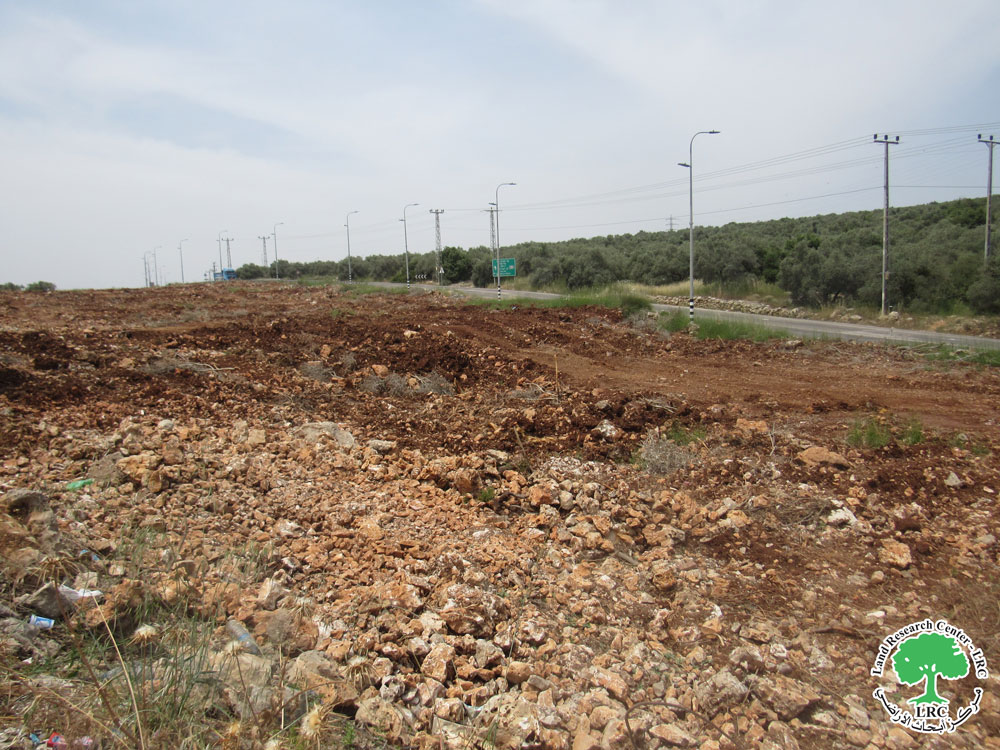
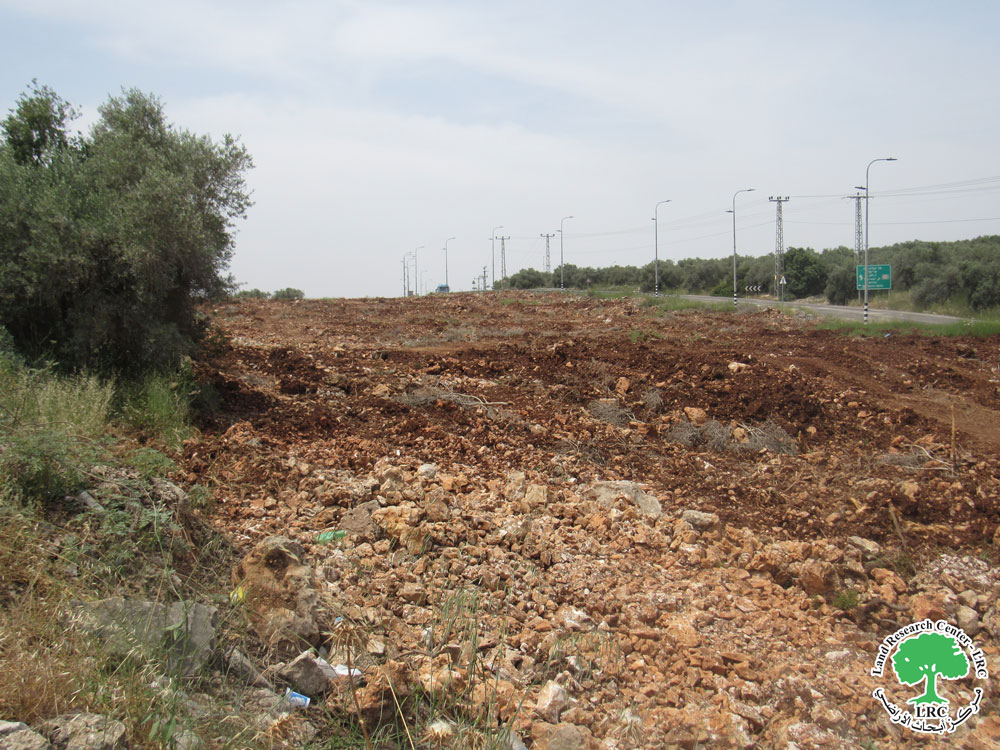
On the morning of Thursday, May 7, 2026, Deir Istiya village witnessed a new attack carried out by Israeli military machinery, involving large-scale bulldozing of agricultural lands planted with mature olive trees. The targeted area is located at the main western entrance of the village, adjacent to Bypass Road 566, which cuts through Wadi Qana lands in northern Salfit Governorate.
Field data indicate that occupation machinery bulldozed approximately 12 dunums of agricultural land in Natural Basin No. 6, in the “Fattan Al-Baydar” area. The operation resulted in the destruction and uprooting of at least 145 mature olive trees, some of which are decades old, along with the destruction of soil structure and traditional stone terraces (“sanasel”), an integral part of the region’s historical agricultural and environmental system.
The destruction also involved leveling large areas of land, directly impacting the agricultural and environmental structure at the village’s western entrance and rendering significant portions of land temporarily unsuitable for cultivation.
This attack is part of a series of escalating violations targeting village lands. In April 2026, around 170 olive trees in the same area were destroyed, and a previous attack in December included widespread bulldozing and leveling of additional agricultural lands.
The current operations are carried out under the framework of a military order issued on 16/11/2025 by the commander of the Israeli army in the West Bank, titled “Order on Security Measures No. 25/63”, which mandates the removal of trees from approximately 56 dunums of land in the western area of Deir Istiya.
Field Damage Assessment by Family:
# | Farmer | Family Members | Females | Children | Affected Trees |
1 | Khaled Rateb Mustafa Abu Hajli | 9 | 5 | 3 | 19 |
2 | Rabhi Hamdallah Issa Abu Hajli | 6 | 3 | 2 | 29 |
3 | Yasser Hatem Mustafa Abu Zaid | 7 | 5 | 3 | 49 |
4 | Nael Ahmed Sheikh Mahmoud Al-Khatib | 8 | 5 | 2 | 22 |
5 | Nader Ahmed Sheikh Mahmoud Al-Khatib | 3 | 2 | 0 | 26 |
Total | 33 | 20 | 10 | 145 |
Testimony of Local Agricultural Leader:
Abdel Rahim Ali Zaidan, head of the Agricultural Committee in Deir Istiya, stated to the Land Research Center:
“What is happening represents a systematic campaign targeting the destruction of the agricultural sector in the village. Israeli authorities have imposed strict restrictions on Wadi Qana for over three years, limiting farmers’ access to their lands while settlers repeatedly attack by cutting trees and damaging agricultural land.
Since early 2026, Israeli forces have conducted continuous bulldozing along Bypass Road 566 at the village’s western entrance, with the latest operation on May 7, 2026, destroying approximately 12 dunums and 145 mature olive trees.
Olive trees are more than a crop; they symbolize identity, history, and belonging. The municipal emblem of Deir Istiya itself features an olive tree, reflecting its central role in residents’ lives. The village is among the largest olive-producing areas in Salfit, known for high-quality olive oil, which is marketed and exported, making agriculture a primary source of income for many families.”
Zaidan further highlighted that legal appeals submitted through the Colonization and Wall Resistance Commission have not prevented the occupation from justifying the destruction under alleged “security reasons,” despite the absence of any real threat. The actual aim is the systematic destruction of property, restriction of residents, and pushing them towards frustration and despair.
He emphasized that Palestinian farmers in the village remain determined to reclaim and cultivate their lands despite these challenges. The destroyed trees previously produced at least 35 jars of olive oil annually, a significant economic resource for local families.
Legal and Environmental Implications:
The uprooting of hundreds of olive trees constitutes a clear violation of international humanitarian law and environmental law. Under the Fourth Geneva Convention, an occupying power may not destroy private property except for imperative military necessity, a standard not met by the wide-scale uprooting of civilian crops.
Environmentally, this destruction contravenes UN Environmental Programme principles, leading to loss of biodiversity, increased desertification, soil degradation, and long-term impacts on livelihoods. This action is not only legally unjustifiable but also creates prolonged environmental damage, undermining residents’ rights to sustainable agriculture and a healthy environment.