2026-04-17
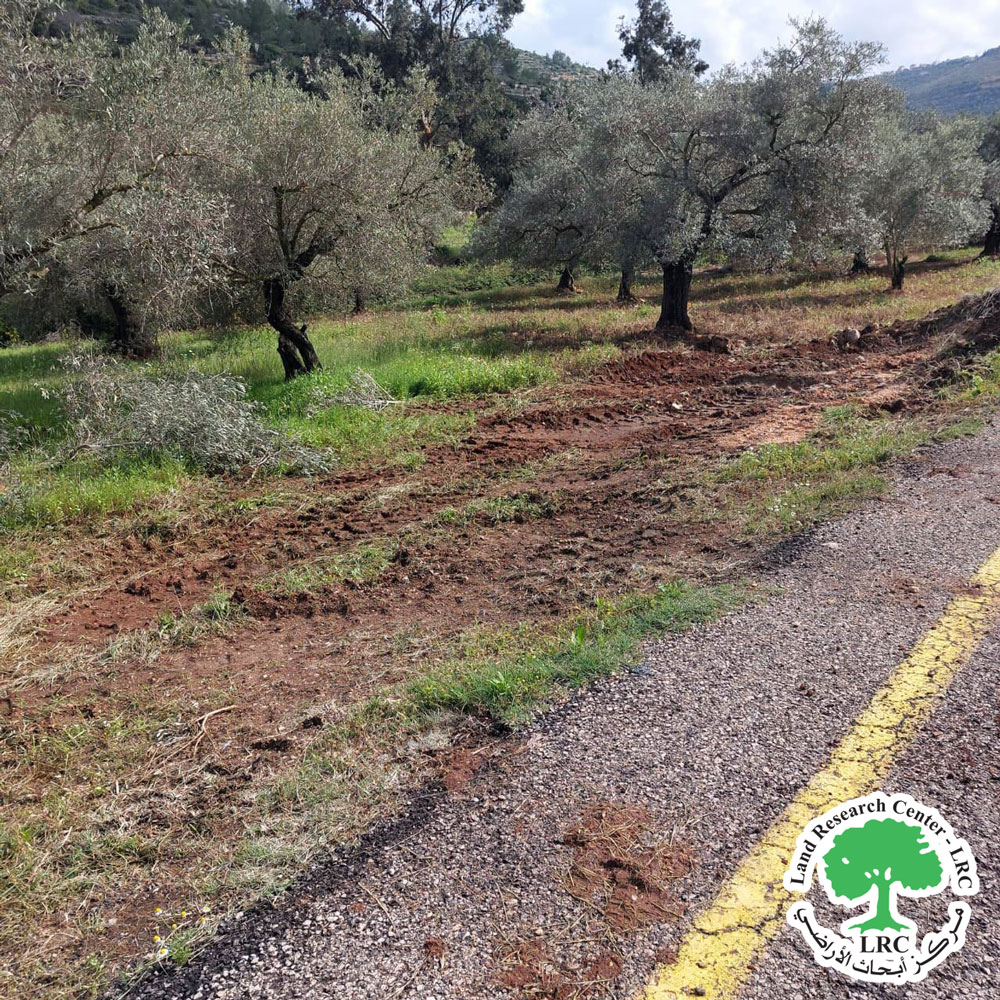
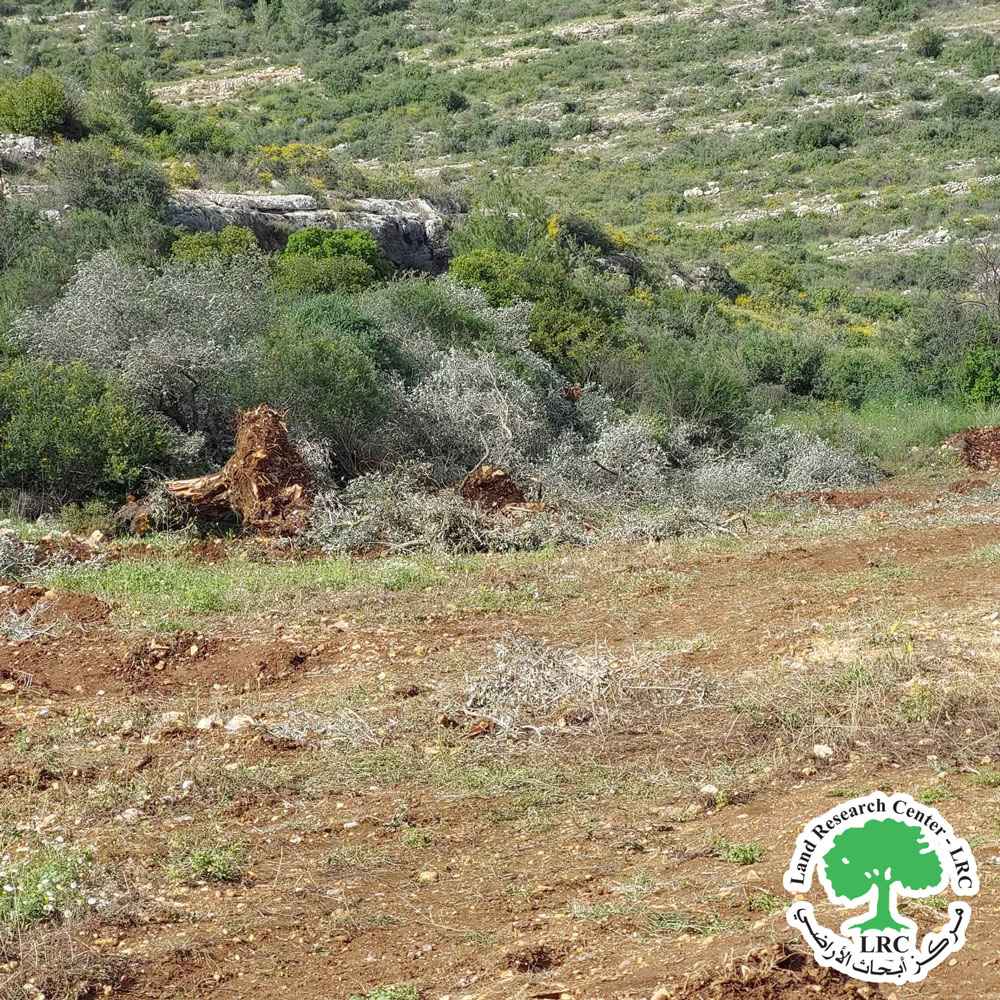
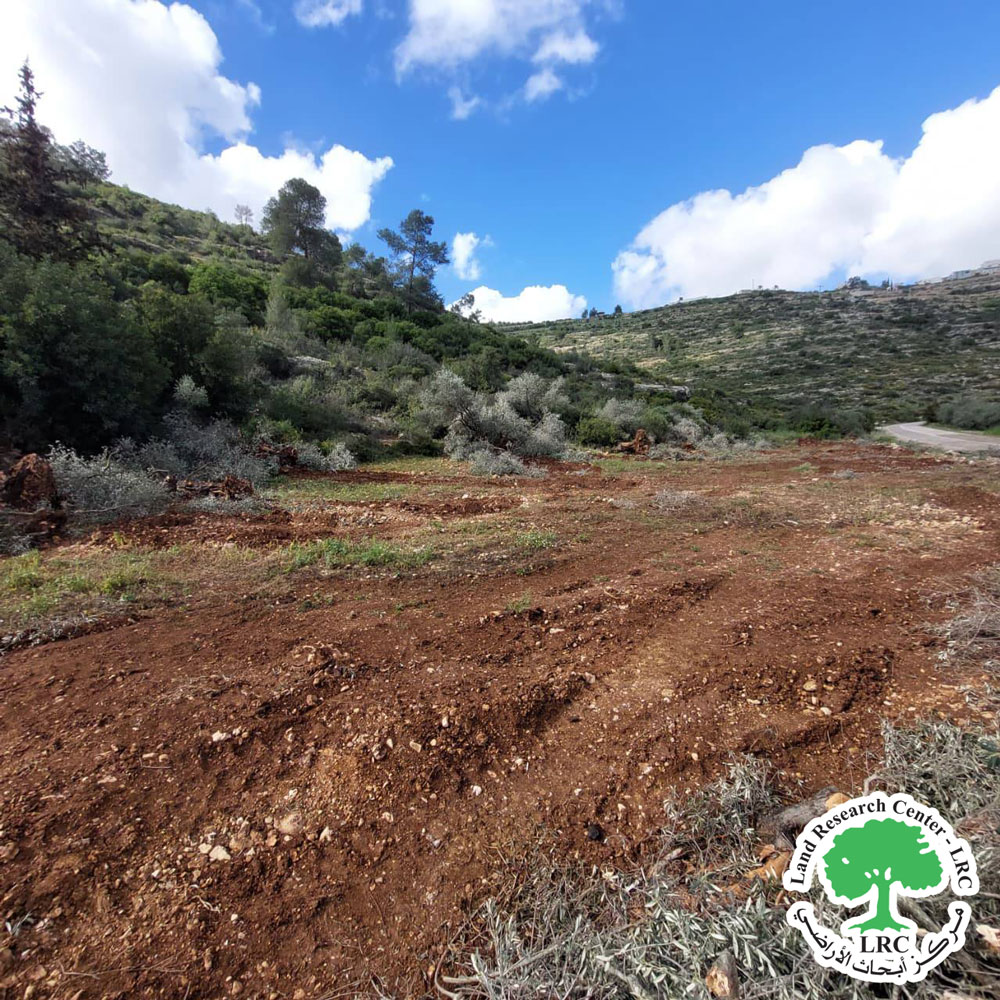
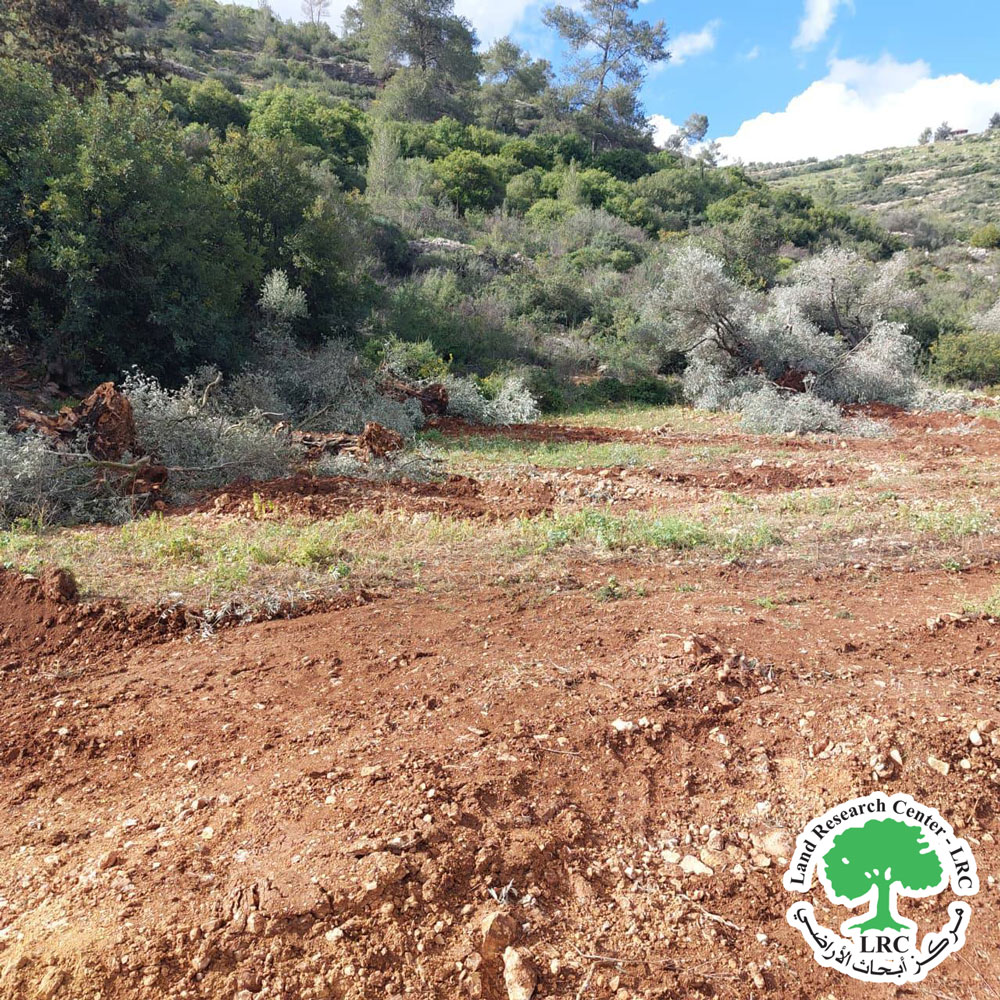
Aiming to Expand a Colonial Road: The Occupation Begins Bulldozing and Uprooting 495 Olive Trees in Kifl Hares, North of Salfit
Violation: Uprooting and bulldozing 495 olive trees.
Location: Kifl Hares / Salfit Governorate.
Date of Violation: April 2026.
Perpetrator: The Israeli Occupation Army.
Affected Party: 38 agricultural families from the town.
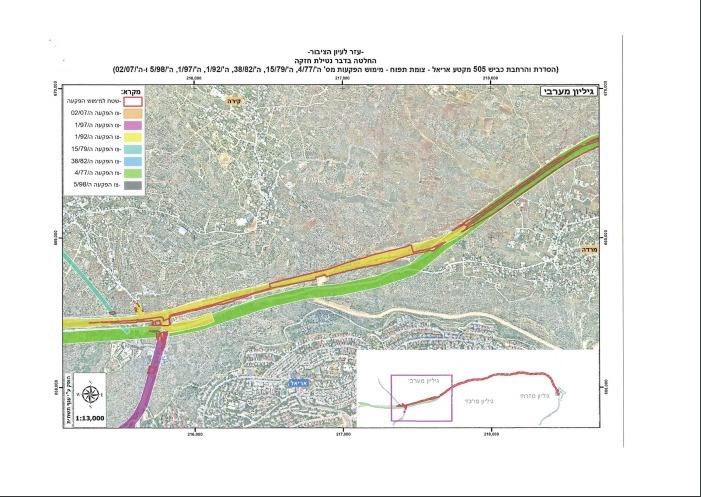
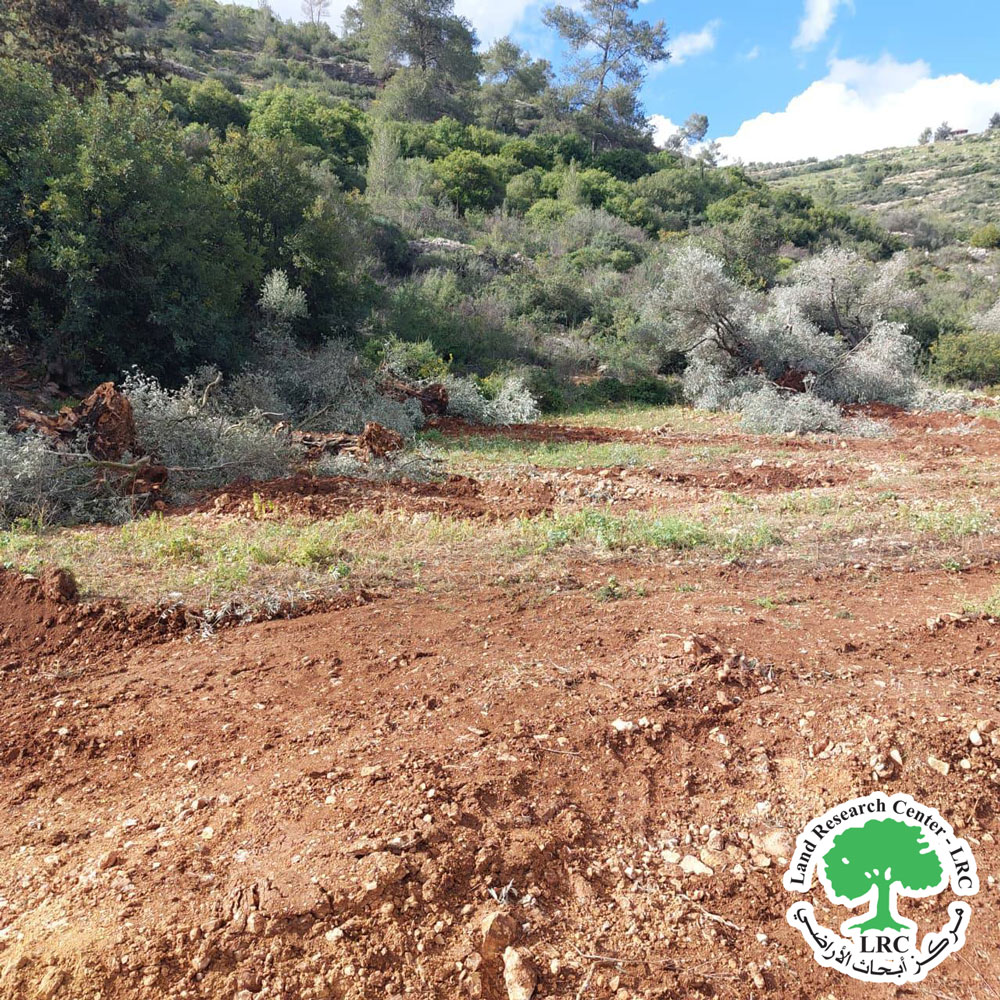
Details of the Violation: The town of Kifl Hares, located north of Salfit, has witnessed the targeting of its agricultural lands, particularly those adjacent to the colonial bypass road known as "Route 505". Since the beginning of April 2026, the Israeli occupation—accompanied by three civilian Israeli bulldozers—has carried out extensive land leveling that has so far affected 75 dunums. All these lands are located alongside bypass roads on Kifl Hares territory. During these operations, 495 fruitful olive trees were cut down, destroyed, and completely eradicated.
The ownership of the damaged trees belongs to more than 70 families in the town, who relied on these trees for their seasonal olive oil supply. The bulldozing involved the total uprooting of trees, and extended to the destruction of soil and retaining walls, leading to the complete ruin of those plots of land.
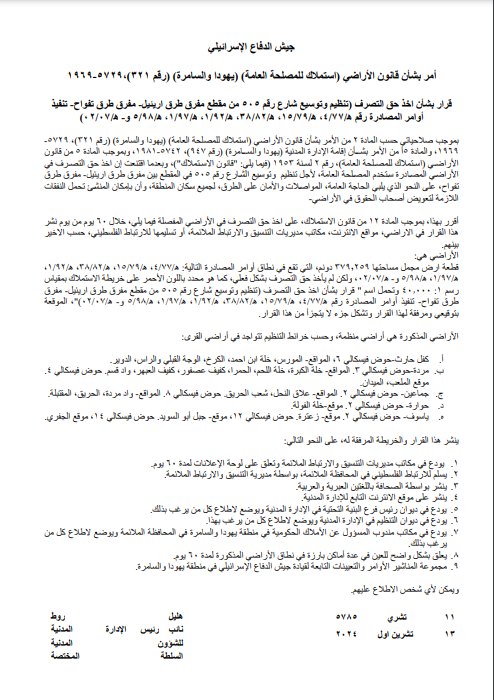
Strategic Context: This assault serves as the first step in executing an occupation plan to expand a 3-kilometer section of Bypass Road 505. The expansion starts from the entrance of Kifl Hares and extends to the "Tapuach Junction" on Yasuf village land, passing through the lands of Kifl Hares, Jamma’in, Yasuf, and Marda. This action implements a military order issued on October 13, 2024, titled "Decision Regarding Taking Possession for the Planning and Expansion of Route 505," signed by the Planning Department of the Civil Administration.
Testimony of Farmer Hassan Hussein Hassan Jaber:
"I own a nine-dunum piece of land planted with 25 'Rumi' (ancient) olive trees, located right next to the occupation army’s tower. I depended heavily on them for olive oil, as they produced no less than 70kg of oil in peak years. The occupation previously bulldozed 4 dunums of my land in an adjacent plot in 2010 for a different section of this same bypass road. This has doubled the loss of my ancestral land, leaving me with nothing. We tried to appeal through the Governorate, but it was useless. Now, I watch my trees being uprooted; the occupation didn't even allow us to salvage a single tree, maliciously crushing them so they cannot be used again".
here is the translated list of the 38 affected farmers and the number of trees uprooted from their lands:
# | Affected Farmer | Number of Uprooted Trees |
1 | Jamal Ali Mahmoud Yaqub | 7 |
2 | Heirs of Mahmoud Hamid Musa Abu Issa | 9 |
3 | Heirs of Abdul Rahim Omar Bouzieh | 11 |
4 | Sha'ban Muhammad Sulaiman Abu Yaqub | 32 |
5 | Heirs of Ahmad Saleh Hamoudeh | 17 |
6 | Halima Said Saleh Shaqqour | 19 |
7 | Fathallah Mustafa Abdul Majeed Shaqqour | 8 |
8 | Sami Salim Abu Yaqub | 11 |
9 | Heirs of Ali Mustafa Salah Hamoudeh | 9 |
10 | Maryam Abdul Qadar Issa | 16 |
11 | Heirs of Saleh Abdullah Saleh | 5 |
12 | Heirs of Mustafa Ahmad Saleh Hammad | 5 |
13 | Heirs of Khadija Mustafa Saleh | 18 |
14 | Heirs of Deeb Ahmad Saleh | 22 |
15 | Muhammad Radwan Abdul Jalil Saleh | 34 |
16 | Abdul Saber Abdullah Saleh | 14 |
17 | Heirs of Mustafa Abdul Majeed Ali Shaqqour | 8 |
18 | Heirs of Bakr Abd Hassan Al-Far | 6 |
19 | Muhammad Ali Al-Far | 13 |
20 | Ezzat Ahmad Shaqqour | 22 |
21 | Fatima Saleh Ahmad Saleh | 5 |
22 | Ayman Aziz Reda Jaber | 21 |
23 | Kamal Muhammad Khalaf Hassan | 19 |
24 | Mahmoud Ali Mahmoud Saleh | 12 |
25 | Tayseer Wajih Jaber Ibrahim | 22 |
26 | Wuheib Wajih Jaber Ibrahim | 11 |
27 | Nuha Muhammad Fawzi Younis Saleh | 4 |
28 | Nusra Ezzat Ahmad Saleh | 6 |
29 | Wathiq Farid Jaber | 18 |
30 | Nasser Abdul Qader Mahmoud Saleh | 8 |
31 | Mahmoud Ali Abdul Haq Jaber | 13 |
32 | Hassan Hussein Hassan Jaber | 25 |
33 | Mahmoud Atiyeh Qishawi | 6 |
34 | Shaher Abdul Rahim Abu Yaqub | 18 |
35 | Jamil Ahmad Muhammad Saleh | 4 |
36 | Ahmad Muhammad Hassan Bouzieh | 3 |
37 | Jamal Musa Ali Yaqub | 7 |
38 | Heirs of Khadija Ahmad Mustafa Saleh | 7 |
Total | 495 |
It should be noted that the segment that the occupation seeks to implement is actually a continuation of a previous 6 km stretch that was carried out in 2010. Today, the occupation announces the expansion of a new segment at the expense of olive groves and cultivated lands in the villages and towns of Salfit Governorate. This expansion primarily serves the purposes of settlement and the development of the “Ariel” settlement, which sits on the lands of the governorate.
According to published reports and announced plans, the occupation aims to double the area occupied by the “Ariel” settlement by adding new neighborhoods to it, at the expense of the surrounding villages and towns. Therefore, the expansion of bypass road 505 primarily serves the settlement and its related developmental plans, at the expense of Palestinian farmers and their lands.
Environmental Impact of Uprooting Trees: These attacks cause severe damage to the Palestinian environment, including:
- Soil Degradation: Roots stabilize the soil; without them, the land is exposed to erosion by rain and wind, leading to a loss of fertility and desertification.
- Loss of Biodiversity: Olive trees provide habitats for various birds, insects, and microorganisms; their removal disrupts the ecosystem.
- Increased Desertification and Rising Temperatures: Trees mitigate the local climate by providing shade and moisture; their removal leads to higher local temperatures and lower humidity.
Settlement Context: "Ariel" Settlement The expansion of Route 505 is primarily designed to serve the settlement of "Ariel," often called the "Capital of Samaria" by the occupation. Established in 1978, Ariel has expanded from an initial 500 dunums to nearly 13,775 dunums, much of which was confiscated from Marda, Kifl Hares, Iskaka, and Salfit. The current expansion aims to double the settlement's area by adding new neighborhoods at the expense of neighboring Palestinian villages.
Legal Conclusion: The continued expansion of Israeli settlements and the creation of outposts on occupied land in the West Bank and Jerusalem is a violation of the rights of the Palestinian people and their property. It constitutes a breach of International Humanitarian Law and international norms that prohibit the targeting of civilian and public property in occupied territories.
Based on the records from the Kifl Hares Municipality provided in the sources, These 495 fruitful olive trees belonged to these families, many of whom relied on them as a primary source of olive oil each season,. The destruction included not only the trees but also the soil and retaining walls, resulting in the complete ruin of these agricultural plots.
مشروع: حماية الحقوق البيئية الفلسطينية في مناطق "ج" SPERAC IV - GFFO
Disclaimer: The views and opinions expressed in this report are those of Land Research Center and do not necessarily reflect the views or positions of the project donor; the Norwegian Refugee Council.
إخلاء المسؤولية: الآراء ووجهات النظر الواردة في هذا التقرير هي آراء ووجهات نظر مركز أبحاث الأراضي ولا تعكس بالضرورة وجهات نظر أو مواقف الجهة المانحة للمشروع؛ المجلس النرويجي. للاجئين